Shakespeare in Performance and Thomas More Studies
Shakespeare's Dramatic Persons
In Shakespeare’s Dramatic Persons, Travis Curtright examines the influence of the classical rhetorical tradition on early modern theories of acting in a careful study of and selection from Shakespeare’s most famous characters and successful plays.
Curtright demonstrates that “personation”—the early modern term for playing a role—is a rhetorical acting style that could provide audiences with lifelike characters and action, including the theatrical illusion that dramatic persons possess interiority or inwardness.
The book focuses upon major characters such as Richard III, Katherina, Benedick, and Iago and ranges from Shakespeare’s early to late work, exploring particular rhetorical forms and how they function in five different plays. At the end of this study, Curtright envisions how Richard Burbage, Shakespeare’s best actor, might have employed the Globe theatre convention of direct address to audience members.
Though personation clearly differs from the realism aspired to in modern approaches to the stage, Curtright reveals how Shakespeare’s sophisticated use and development of persuasion’s arts would have provided early modern actors with their own means and sense of performing lifelike dramatic persons.
"Travis Curtright's book is one of those rare books on Shakespeare that combines the scholar's understanding of the architecture and language of Shakespeare's plays with the practitioner's understanding of how that information is useful to the actor and the director. Here's a book that teaches you about rhetoric and character at the same time that it teaches you why it matters on the stage. In front of me on my desk I keep a row of books I know I'll need to dip back into as I work: Shakespeare's Dramatic Persons will make that row." — Ralph Alan Cohen, Gonder Professor of Shakespeare and Performance, Mary Baldwin University and Co-Founder of the American Shakespeare Center
"In this thoroughly persuasive book, Travis Curtright demonstrates that playwrights, like excellent actors, were accomplished rhetoricians; that Shakespeare, in different ways over the course of his career, created dramatic characters from the building blocks of formal rhetorical devices; and that how characters speak and argue and persuade create the illusion of psychology, emotion, inwardness, and subjectivity. There is no other book like it." — Cary M. Mazer, Professor of Theatre Arts and English, University of Pennsylvania
“A refreshing voice . . . We can look forward to Curtright’s continued work on rhetorical styles of acting and hope to see him continue to bring together the scholarly and the theatrical.” —Theatre History Studies
“A riveting and compelling argument . . . Performers and academics alike will find new approaches to character and a better understanding of Shakespeare’s theatrical craft.” —Moreana
“An important contribution, bringing renewed attention to both rhetoric and the practical realities of performance . . . The depth of Curtright’s scholarship alone makes this a valuable text.”—The Sixteenth Century Journal
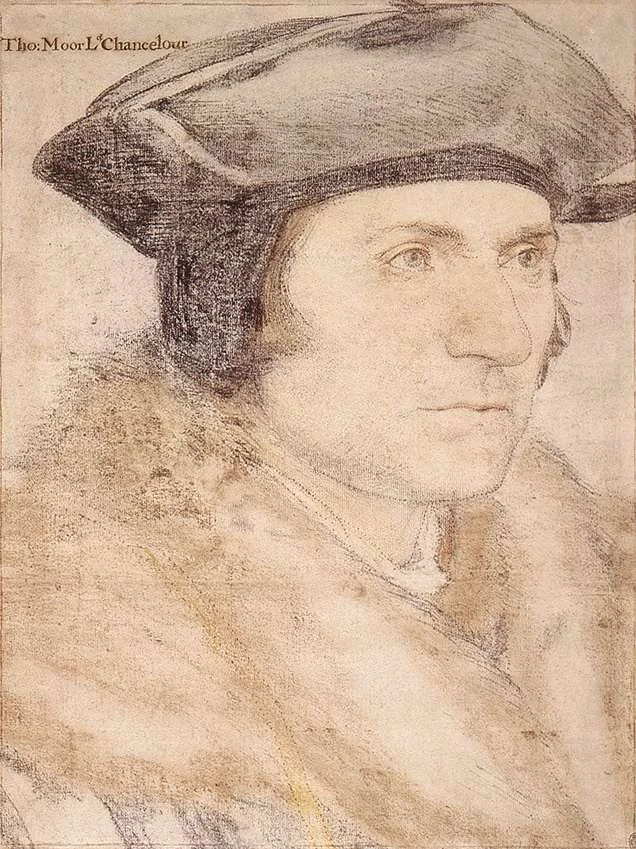
The Controversial Thomas More
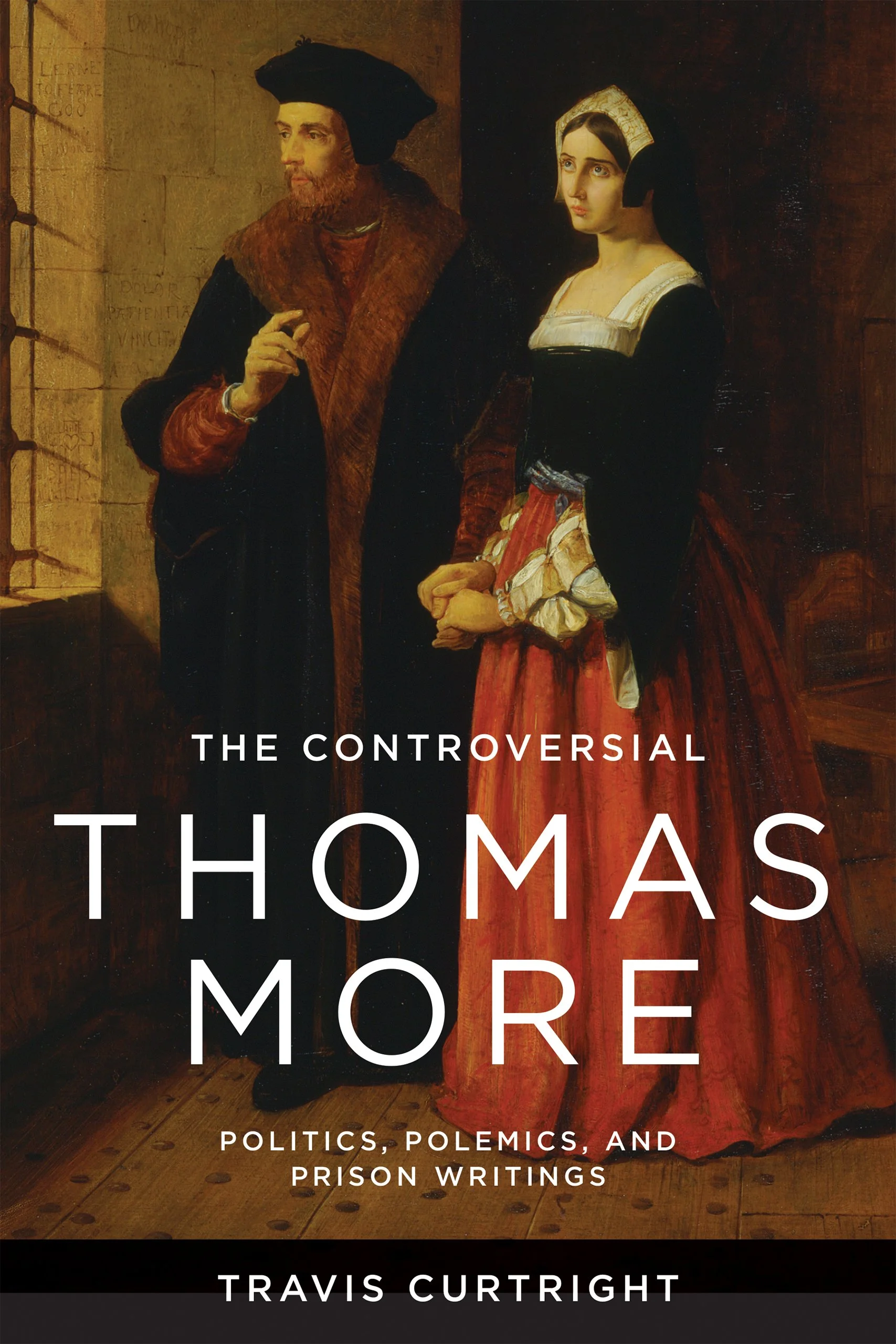
The Controversial Thomas More, from Notre Dame Press, examines More’s last years and prison writings and shows how he artfully opposed King Henry VIII from the Tower of London.
Thomas More is known for refusing the oath of succession and remaining silent about his reasons for doing so. His prison literature, however, tells a different story. Under the threat of execution, More waged an astonishingly prolific and often coded writing campaign in rebuke of King Henry VIII’s claim to be supreme head of the Church in England. Travis Curtright’s groundbreaking book shows how William Rastell, More’s nephew and printer, fashioned a historically inaccurate depiction of More, one that persists to this day. Rastell’s edition of More’s works gave the false impression that More stopped writing polemical literature in 1533 and, instead, turned his mind exclusively toward heaven and away from politics. In contrast, Curtright proves that More’s prison writings are not just devotional literature, but also a powerful defense of a united Church under the Pope, reestablishing More as a key political and religious thinker, defiant of King Henry VIII.
Most scholars restrict More’s political thought to his Utopia, but The Controversial Thomas More shows how his prison writings best reveal his ideas of political unity and authority, and is a reconsideration of More’s legacy and place in the history of the Henrician Reformation.
Travis Curtright is a professor of humanities and literature at Ave Maria University. He is the author or editor of four previous books, including The One Thomas More, and is the editor-in-chief of Moreana: Thomas More and Renaissance Studies.
“Anyone who wants to know exactly what the ‘man for all seasons’ was really thinking and writing about over the 15 months of his imprisonment in the Tower of London should read this book.”— Stephen Smith, co-editor of The Essential Works of Thomas More
“Curtright shows that More’s prison writings are not, as widely thought, meditations of a saint resigned to death, but the continuation of a complex literary project aiming to restore the unity of Christendom. Must reading for More scholars and a civic challenge to all More’s admirers.”—James R. Stoner, author of Common-Law and Liberal Theory: Rethinking American Constitutionalism
Shakespeare in Performance
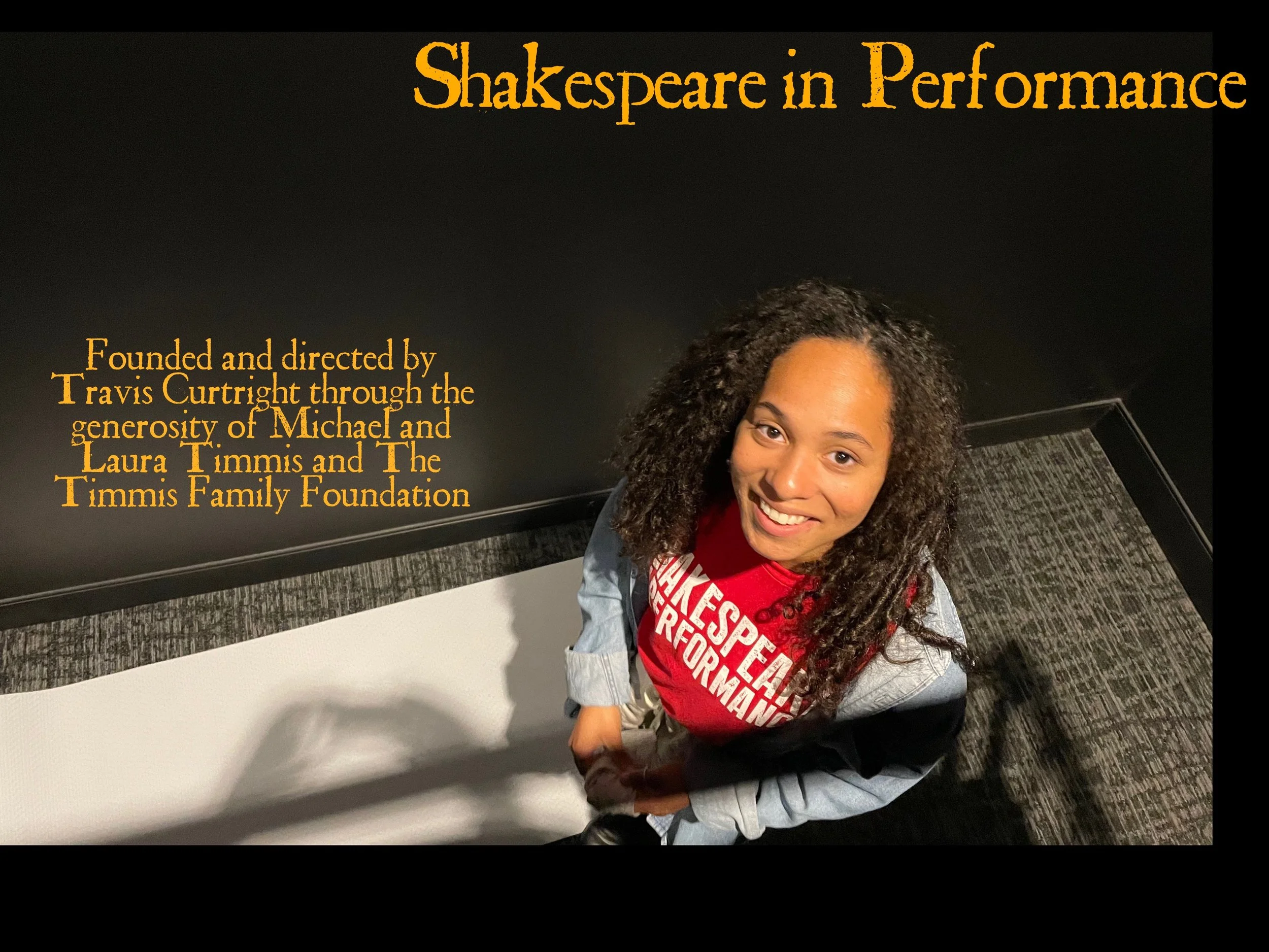
Shakespeare in Performance was founded by Professor Travis Curtright in 2012.
He began with shows in a classroom at a university without a drama department. As each production continued to amaze and delight audiences, the call for a theater grew. The university’s administration and donors agreed. To provide Professor Curtright’s students and program a home, the Donahue Family Black Box Theater was designed and completed in 2018.
The productions of Shakespeare in Performance eschew sets, keep the house lights up, and actors directly address audience members. Students are trained in voice, movement, early modern stagecraft, and especially Shakespeare’s language and rhetoric. Professor Curtright also modernizes the plays by reimagining conventional ideas about characters, scenes, or the delivery of monologues; and by adding contemporary pop music and forms of dance or music theater; and with improvisations that involve audience participation.
A skilled acting coach and award-winning teacher, Dr. Curtright invites students of any major or career path to encounter Shakespeare’s art through performance. He presents the craft of acting as a sincere gift of self, combining the practice of acting techniques with St. John Paul II’s vision of the human person. Friendship, too, should be part of the experience that theater provides, especially during the college years, so that young or new actors find encouragement. Students rehearse in a safe environment that encourages growth in self-knowledge, creative risk-taking, and ensemble work. Students and graduates report that acting under Dr. Curtright’s direction was a “life-changing experience.”
Learn more about the program, here.
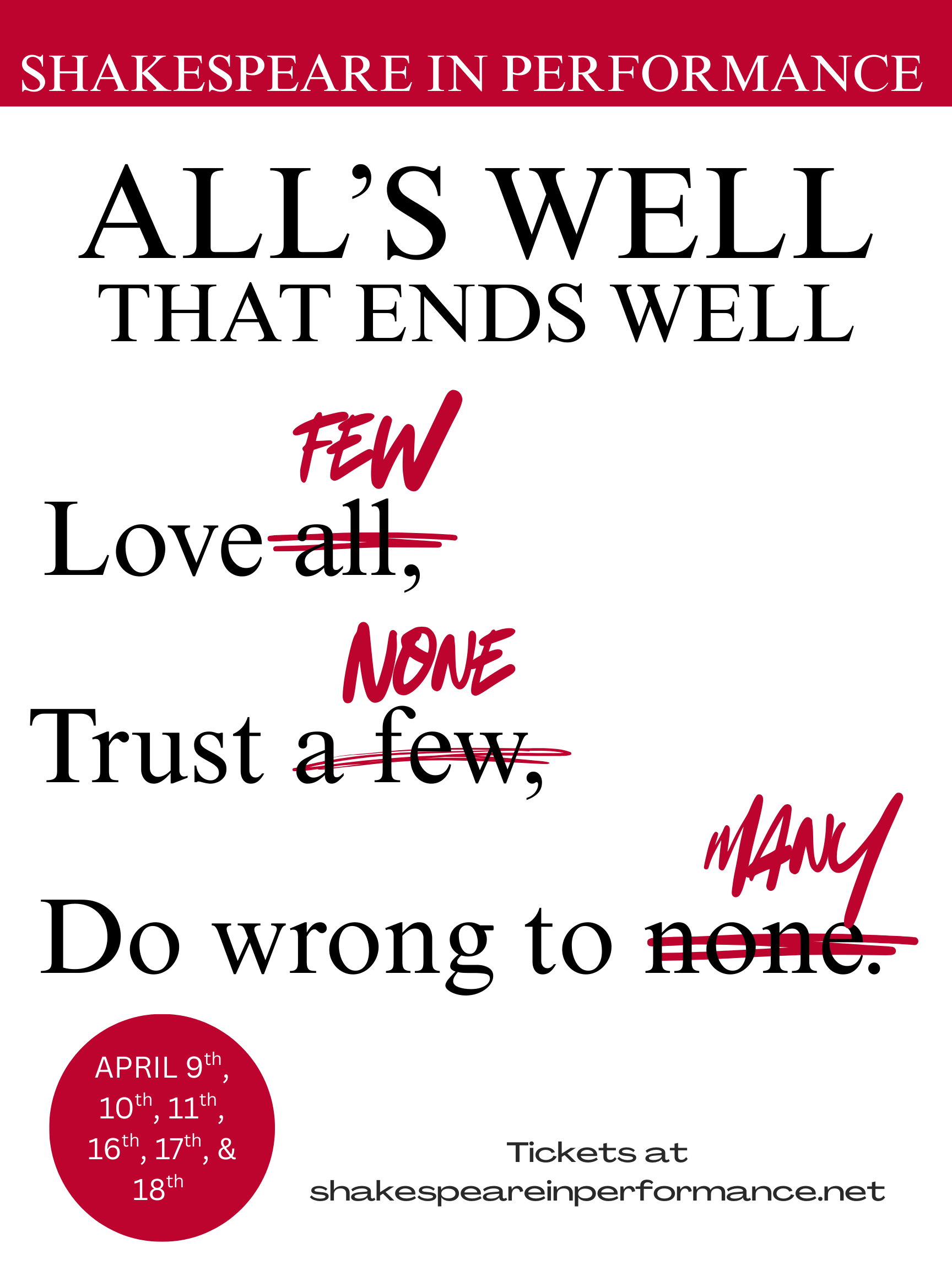
All's Well That Ends Well, 2026
Shakespeare in Performance presents
All’s Well That Ends Well
By William Shakespeare (1564-1616)
April 9-18, 2026
Directed and adapted by Travis Curtright, PhD
YOUR PLAYERS
Countess of Rossillion: Kimberly Eads
Bertram: Dhilan Mathews
Helena: Clare McNeill / Catherine Mullen
Parolles: Abraham Guerra / Karl Chojnacki
Reynalda: Lucy Torkelson
Lavatch: Kilian Flynn
Isbel: Julia Nelson
King of France: Jacob Schroeder
Lafew: Jesse Rodgers
First Lord Dumain: Oliver Agren
Second Lord Dumain: Ben Hogan
First Soldier/Interpreter: Carson Shaw
Judith: Marija Scheuren
Diana: MaryClaire Egan / Lily Budke
CREDITS
Assistant to the Director: Julia Nelson
Stage Manager: Jenna Gulch-Josten
Production Intern: Kilian Flynn
Blocking Notes and Dramaturgy: Julia Nelson, Jenna Gulch-Josten, Tori Smith
Scansion, Figures, & Paraphrasing: Tori Smith
Dance Captains: Kimberly Eads, Julia Nelson
Warm-Up Leaders: Kimberly Eads, Karl Chojnacki, Kilian Flynn
Sound and Lighting: Tori Smith, Julia Nelson
Hair and Makeup: Lucy Torkelson, MaryClaire Egan, Marija Scheuren, Jenna Gulch-Josten, Julia Nelson
Costuming: Jenna Gulch-Josten, Travis Curtright, Julia Nelson
Marketing: Julia Nelson, Kilian Flynn, Jacob Schroeder and the troupe
Ticketing & Hospitality: Julia Nelson, Carson Shaw, Marija Scheuren, Catherine Mullen, Clare McNeill, Karl Chojnacki, Abraham Guerra, MaryClaire Egan, Lily Budke, Branden Pannell
He's just not into you. But what if you could change his mind? Meet Helena, who is desperately in love with Bertram—a man who leaves his country to avoid her. But delulu is the solulu. All’s Well That Ends Well, directed and adapted by Professor Travis Curtright.
The production set Shakespeare's text in the present day, with smartphones replacing letters, Instagram profile spoofs and text-message chains anchoring the marketing campaign, and the King's notorious fistula reimagined as blindness. In a signature SIP twist, a different audience member was cast each night as the fourth lord, recruited on the spot to endure Helena's rejection as she chose her husband over him.
This production also included an SIP literary magazine, produced entirely by the troupe. It features critical essays debating Helena's character, cast interviews, and infographics tracing her scheme — a window into the training and artistic choices behind the show.
Romeo & Juliet, 2025
Shakespeare in Performance presents
The Tragedy of Romeo and Juliet
By William Shakespeare (1564-1616)
April 3-12, 2025
Directed and adapted by Travis Curtright, PhD
YOUR PLAYERS
Chorus: Ensemble
Sampson: Carson Shaw
Gregory: Simon Tan
Tybalt: Carl Dodd
Mercutio: Matthew Driscoll
Abraham: Sebastian Curtright / John Paul Helms
Benvolia: Julia Nelson
Escalus: Kimberly Eads
Lady Montague: Clare McNeill
Capulet: Jacob Schroeder
Paris: Kilian Flynn
Lady Capulet: Katia Healy / Olivia O’Rourke
Nerissa: Catherine Mullen / Kira Imhoff
Juliet: Cecelia Mosher / Rose Williams
Romeo: John Paul Helms / Sebastian Curtright
Friar Laurence: Karl Chojnacki / Abraham Guerra
Friar John: Abraham Guerra / Karl Chojnacki
Sister Joan: Lily Budke
CREDITS
Stage Manager: Cecilia Marsh
Hospitality: Branden Pannell
“Malinconia, Ninfa gentile” Vocalist: Abraham Guerra
“Ave Maria” Vocalist: Kira Imhoff and Kimberly Eads
Master of Arms: Simon Tan
Warm-Up Leaders: Julia Nelson / John Paul Helms
Production Intern: Kilian Flynn
Dance Captains: Simon Tan, Kimberly Eads, Julia Nelson
Hair / Makeup: Katia Healy, Catherine Mullen, Julia Nelson, Rose Williams
Fight Captain: Julia Nelson
Fight Director: Robert Gotschall
Assistant to the Director: Audrey Austin
An electrifying new take on William Shakespeare’s tragic play, this fast-paced vision of duels, dancing, rhymers, and romance thrilled audiences – but violent delights have violent ends.
What You Will, 2024
Shakespeare in Performance presents
What You Will
By William Shakespeare (1564-1616)
April 4-14, 2024
Directed and adapted by Travis Curtright, PhD
YOUR PLAYERS
Orsino: John Paul Helms
Valentine: Simon Tan
Viola: Julia Nelson/Caroline Vanchura
Sir Toby Belch: Sebastian Curtright
Maria: Rose Williams
Sir Andrew Aguecheek: Andrew Nielson
Feste: Catherine Mullen
Olivia: Helen Henry/Katia Healy
Malvolio: Karl Chojnacki/Abraham Guerra
Sebastian: Kilian Flynn
Antonia: Rachel Hennessey/Kimberly Eads
Musician: Brigid Bakin
CREDITS
Assistant to the Director: Audrey Austin
Stage Manager: Cecilia Marsh
Assistant Stage Manager: Iulia Goean
Warm-Up Leaders: Julia Nelson, John Paul Helms, Sebastian Curtright
Fight Captain and Master of Arms: Malcolm Curtright
Dance Captains: Malcolm Curtright, Julia Nelson, Sebastian Curtright, Audrey Austin, John Paul Helms
One Direction Dancers: Sebastian Curtright, Kilian Flynn, Andrew Nielson, Simon Tan
Vocalists: Julia Nelson, Carolina Vanchura, Helen Henry
Hair and Make-Up: Julia Nelson, Helen Henry, Catherine Mullen
Hospitality and Ticketing: Branden Pannell, Audrey Austin, Malcolm Curtright, Amini Nkere, and all double-cast players
A hurricane-tossed stranger arrives in Illyria only to show its inhabitants where they truly belong. Surprising, wild, and funny, this new version of Twelfth Night features outrageous infatuations, mistaken identities, and the transformative power of love.
The One Thomas More
"Thomas More" the humanist. "Sir Thomas More" the statesman. "Saint Thomas More" the martyr. Who was Thomas More? Which characterization of him is most true? Despite these multiple images and the problems of More's true identity, Travis Curtright uncovers a continuity of interests and, through interdisciplinary contexts, presents The One Thomas More.
"Curtright joins to his focus on More's life and writings a sophisticated review of the reasoning offered by the critics who would split the one More into many. A masterful survey in all respects." — Renaissance Quarterly
"Curtright's argument carries considerable traction . . . his analysis does contribute to the recent scholarly tsunami against the long-dominant Whiggish and Protestant interpretation of English religious history." — SEL: Studies in English Literature 1500-1900
"Travis Curtright has realized a masterful synthesis that provides the strongest case to date for seeing More's life and writings as a consistent whole." — Moreana
"Curtright provides a well-written and persuasive argument, grounded in an impressive command of humanist and theological tracts and propelled by a nuanced, methodical rhetorical structure. The One Thomas More is a formidable defender of both More's unity and the complementary nature of his humanism and Catholicism." — The Review of Politics
"Curtright has made a brave, scholarly attempt to rehabilitate More . . . Summing Up: Recommended. Upper-division undergraduates through faculty." — Choice Review
"Travis Curtright has produced one of the most carefully nuanced and balanced portraits of Thomas More yet published." — Richard Harp, University of Nevada, Las Vegas
"The One Thomas More is a much need work of daring." — First Things
"A convincing reappraisal of More's life and writings, coming after decades of contradictory critiques." — Marie-Claire Phelippeau, President of Amici Thomae Mori
"Travis Curtright has now added to the luster of the real More's legacy with his excellent new book The One Thomas More." — Public Discourse
"Travis Curtright does a fine job fusing St. Thomas More's 'humanist credo' and 'his later polemical theology.'" — The Catholic Historical Review
"Curtright strives for an objective perspective and provides his readers with an integrated set of insights from which they can appreciate, ponder but ultimately reconcile the complexities of More's life and thought." — Online Library of Law and Liberty
“This is a fine book, offering a substantial engagement with and reorientation of recent scholarship even as it lucidly argue for, on the basis of readings from primary texts, a unified Thomas More.”— Ben Johnson Journal
"Travis Curtright sets the record straight that there is just one [More], unified by a belief that faith and reason work together and that both are bound together in a common social framework rooted in proper authority. St. Thomas More remains an example for Catholics who wish to be good citizens and persons of faith. Curtright ably explains that the resources in More's work are still available to contemporary Catholics."— National Catholic Register
"Curtright's many strengths are best seen in his method of addressing More's various commentators and biographers by grouping both thematically and chronologically. He opens with an impressive tour of the difficulties facing those who would attempt a defensible sketch of More—pace John Guy's understandable skepticism—that does justice to his human complexity while making sense of the conflicting strands of evidence on which that sketch must rest. The book's five chapters survey More through five signal periods of his life, largely through his major literary works from The Life of Pico della Mirandola to the legal controversies with Christopher St. German. It culminates in a defense of More's Tower letters that, far from evincing an attempt to evade his ethical responsibilities to speak plainly in defense of the truth, combines 'the moral imperative to speak truly . . . with the teaching on adaptable speech.'" —The Historian
"In this lucid and well-written work, Curtright restores the unity of More's life and thought against 'revisionist' critics who insist on two Mores — the humanist and the increasingly fanatical statesman and martyr. Curtright succeeds in integrating More's writings and public actions, showing that his humanist writings were informed by a Christian humanism that is perfectly consistent with his later deeds and affirmations." — Daniel J. Mahoney, Augustine Chair in Distinguished Scholarship, Assumption College.
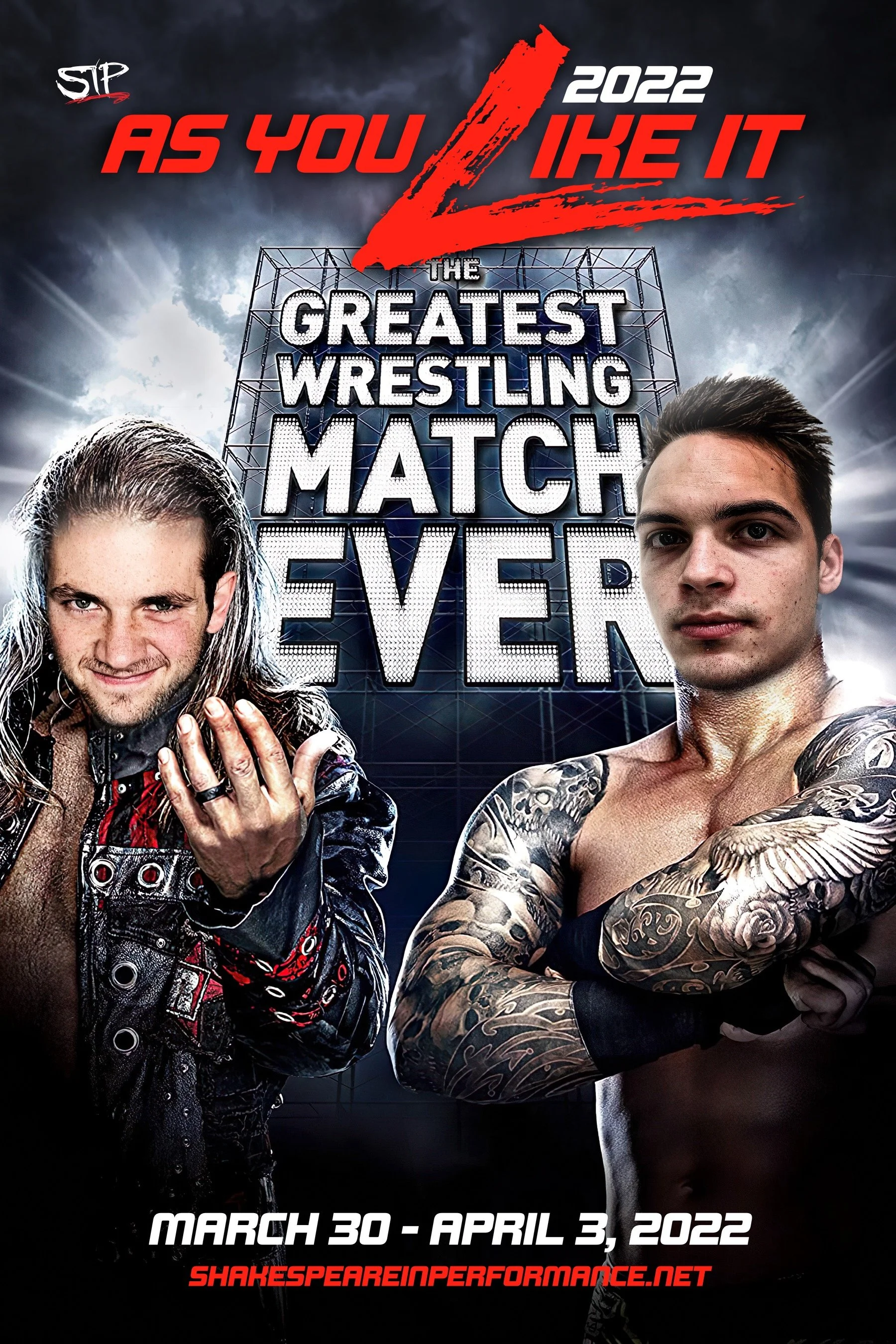
As You Like It, 2022
Shakespeare in Performance presents
As You Like It
By William Shakespeare (1564-1616)
March 30 - April 3, 2022
Directed and adapted by Travis Curtright, PhD
YOUR PLAYERS
THE HOUSE OF SIR ROWLAND:
Oliver: Joseph Marsh
Orlando: Sebastian Curtright
THE COURT OF THE USURPING DUCHESS:
Duchess Frederica: Clare LeBeau
Celia: Mary Hope Randolph
Rosalind: Analiese Hratko/Julia Nelson
Madame Le Beau: Audrey Curley
Clown, also known as Touchstone or a Motley Boy: Matthew Jacques
Attendant: Anna Campbell
THE GREENWOOD:
Duchess Senior: Genevieve Iannacone
Jaques and later a Motley Boy: Matthew Drischoll
Phebe: Marina Curtright
Corinne: Mary Gay
Audrey: Audrey Austin
Silvius: John Paul Helms
Musician: Brigid Bakin
With a guest appearance by Beyonce, the goddess of marriage.
As You Like It featured the greatest wrestling match, the Motely Boys rapping, and a love story starting in the courts of Duchess Federica and finishing in the forest of Arden.
The Two Noble Kinsmen, 2021
Shakespeare in Performance presents
The Two Noble Kinsmen
By William Shakespeare (1564-1616)
April 21-25, 2021
Directed and adapted by Travis Curtright, PhD
YOUR PLAYERS
Arcite: Jose Quiceno
Palamon: Joe Marsh
Theseus: Will Bell
Hermia: Brigid Bakin
Emilia: Naomi Atherley
Love Doctor: Matt Jacques
Hippolyta: Anna Mahoney
Pirithous: John Scheck
First Queen: Anna Coppa
Third Queen: Lucy Baird
Second Queen: Mary Gay
Jailer: Michael Lopez
Fourth Countryman: Sebastian Curtright
First Countryman: Michael Lopez
Valerius: Sebastian Curtright
Second Countrywoman: Lucy Baird
Third Countrywoman: Anna Coppa
MUSIC AND DANCE
DANCERS FOR MEIN TENU SAMJHAWAN KI AND SUCKER FOR YOU: Christopher Das, Nicola Brennan, Lannae Nargi, Abigail Kendziorski, Margarita Altomare, Laura Buccheri, Analiese Hratko
HAKA DANCE: John Paul Beller, John Scheck, Jose Quiceno, Joe Marsh
Twenty-three years after writing his first play, Shakespeare teamed up with John Fletcher to write his last one, The Two Noble Kinsmen (1613), a drama based upon Geoffrey Chaucer’s The Knight’s Tale. If The Tempest was not Shakespeare's last work, why would he finish his writing career in reflection upon Chaucer's much earlier poetry?
IT ALL BEGAN AT A BAR
One manuscript from the period suggests an answer with its record of how Shakespeare and his friends, Richard Burbage and Ben Jonson, carved their names into the "panels" of the Tabard Inn, a tavern already famous as the very place where The Canterbury Tales opened. Chaucer was considered to be the most outstanding English poet before Shakespeare's own rise in prestige, and so Shakespeare's graffiti indicates homage to Chaucer's work.
TO LEAVE YOUR MARK
The Shakespeare graffiti story is also an apt metaphor to describe this adaptation of The Two Noble Kinsmen. The deletion of over 60% of the original, the addition of new characters, and the introduction of music and dance may strike some as illicit scribblings across the public monuments of English literature. Others are welcome to view adaptation as homage. Shakespeare wanted to associate himself with a great poet of the past by inscribing his name into the walls of Tabard Inn. More importantly, he left his mark on Chaucer's original tale by adapting it for the stage.
CHANGING THE MEME
So, too, this production remains a satire of chivalry, though not exactly like the satire that was present in either the original poem or Shakespeare and Fletcher's play. We parody the Bachelor and Bachelorette franchises, male model poses, drunken "country nights," and love doctors. Instead of the original ending, our less than tragic conclusion seeks to redefine and enlarge what "noble kinship" means by emphasizing "love" and "mercy."
The Two Gentlemen of Verona, 2021
Shakespeare in Performance presents
The Two Gentleman of Verona
By William Shakespeare (1564-1616)
April 21-25, 2021
Directed and adapted by Travis Curtright, PhD
YOUR PLAYERS
Proteus: Jose Quiceno
Valentine: Joe Marsh
Julia: Brigid Bakin
The Duke: Will Bell
Silvia: Naomi Atherley
Lance: Sebastian Curtright
Speed: John Scheck
Lucetta: Anna Coppa
Turio: Michael Lopez
Antonio: Matt Jacques
Pantina: Mary Gay
First Outlaw: John Paul Beller
Third Outlaw: John Scheck
Eglamour: Matt Jacques
Second Outlaw: Clare LeBeau
Lance’s Dog: Oliver
MUSIC AND DANCE
“LOVE YOURSELF”: Jose Quiceno on guitar, Brigid Bakin on ukulele, Jose Quiceno, Brigid Bakin, Naomi Atherley, Michael Lopez, and Anna Coppa on vocals.
“SUSPICIOUS MINDS”: Jose Quiceno on guitar, Brigid Bakin on ukulele, all cast on vocals.
The Two Gentleman of Verona explores youthful love and the meaning of friendship. Our production is performed in modern dress and with pop music—and features one (real) dog, three outlaws, and two heroines not to be missed.
A Journal
Moreana is an international and non‐confessional journal, which was founded in 1963 by Abbé Germain Marc'hadour as the official journal of the Amici Thomae Mori, or the Society of Friends of Thomas More. Since Moreana’s inception, the journal has provided leading research on the life and works of More and in Renaissance studies and humanism. Moreana’s scope includes material not only about More but also about the Renaissance culture in which he lived. It publishes essays on religion, law, theatre, criticism, poetry, education, and Tudor politics. The journal’s interdisciplinary scope also engages all fields of research connected to the Sixteenth Century, including history, literature, theology, and political philosophy. Today, Moreana is read in nearly 30 countries, and its archives comprise the most extensive collection of More studies.
Moreana est une revue non confessionnelle, fondée en 1963 par l’Abbé Germain Marc'hadour. Elle est la revue officielle de l’association Amici Thomae Mori, les Amis de Thomas More. Depuis ses débuts, Moreana héberge l’essentiel de la recherche sur la vie et les œuvres de More, au sein d’études sur la Renaissance et l’humanisme. En dehors de More lui-même, Moreana s’intéresse à la culture de la Renaissance dans laquelle il vivait et publie une grande variété d’essais qui touchent à la religion, au droit, au théâtre, à la critique littéraire, à la poésie, à l’éducation ainsi qu’à la politique des Tudor. Ainsi le parti pris interdisciplinaire de la revue aborde-t-il tous les aspects de la recherche en rapport avec le XVIe siècle, y compris en histoire, en littérature, en théologie ou en philosophie politique. Aujourd’hui, Moreana se lit dans près de 30 pays, et ses archives constituent la plus vaste collection d’études consacrées à Thomas More.
Editor
Dr Travis R. Curtright, Ave Maria University, Florida
Editorial Board
Dr Stephen M. Foley, Brown University, Providence, RI
Dr Seymour B. House, dean at Mount Angel Abbey and Professor of Ecclesiastical History
Professor Elizabeth McCutcheon, Professor Emerita and long-time chair of Graduate Studies at the University of Hawaii
Professeur Jean-Pierre Moreau, Professor emeritus from the Université de la Sorbonne-Nouvelle, Paris III
Dr Marie-Claire Phélippeau, President of Amici Thomae Mori
Dr Gabriela Schmidt , professor of English Literature and Philology at the University of Munich
Dr Gerard Wegemer, professor of English at the University of Dallas
Dr Lilijana Znidarsic-Golec , archivist in the Slovenian capital, Ljubljana
Print ISSN: 0047-8105
Online ISSN: 2398-4961
To submit an article, visit here.
Hamlet, 2020
Shakespeare in Performance presents
Hamlet: Prince of Denmark
By William Shakespeare (1564-1616)
September 29- October 4, 2020
Directed and adapted by Travis Curtright, PhD
YOUR PLAYERS
Hamlet: Jose Quiceno
King: William Bell
Polonia/Player 1: Brigid Bakin
Gertrude: Gabrielle Brookshier
Ophelia: Naomi Atherley
Laertes: Matthew Jacques
Horatio/Player King: Joseph Marsh
Ghose/Friar: John Paul Beller
Barnarda/Messenger: Josie Timmis
Rosencrantz: John Scheck
Guildenstern/Player Lucianus: Sebastian Curtright
Marcellus/Pirate 2: Elizabeth Levesque
Player Queen, Baptista: Cassie Schultz
Player 2/Pirate 1: Emma McLaughlin
Attendant/Messenger: Anna Campbell
Reynalda/Sailor 1: Marina Curtright
MUSIC AND DANCE
WELCOME TO ELSINORE: WHEN WE ALL FALL ASLEEP WHERE DO WE GO? Michelle Fecteau, Cassie Schultz, Sebastian Curtright, Audrey Austin, Alicia Whelan, Mary Hope Randolph, Naomi Atherly, Jose Quiceno
HOW TO BE A STAGE PLAYER?: Cassie Schultz, Emma McLaughlin, Brigid Bakin
THIS THING CALLED LIFE, OR LET’S GO CRAZY: Brigid Bakin, Naomi Atherly, Audrey Austin, Alicia Whelan, Sebastian Curtright, Jose Quiceno
FEATURED DANCERS FOR LET’S GO CRAZY: Christopher Das (choreographer), Mary Hope Randolph, Cassie Schultz, Michelle Fecteau, John Paul Beller
Hamlet is directed and adapted by Professor Travis Curtright for today’s students and audiences. Welcome to a 97-minute version of a play that includes pop music, sword fights, hip hop dance, and audience interaction. Hamlet is a supernatural thriller, revenge play, and family tragedy that will surprise and move you!
Macbeth, 2019
Shakespeare in Performance presents
Macbeth
By William Shakespeare (1564-1616)
April 3-14, 2019
Directed and adapted by Travis Curtright, PhD
YOUR PLAYERS
Macbeth: Joseph Williams
Lady Macbeth: Sarah Seghers
Macduff: Joseph Marsh
Malcolm: Michael Chaney
Ross: Joseph Thrun
Banquo: Sam Perenich
Duncan: David Scanlan
First Witch: Sarah Seghers
Second Witch: Maura Littleton
Third Witch: John Paul Beller
Lennox: William Bell
First Murderer: John Paul Beller
Lady Macduff: Gabrielle O’Rourke
Doctor: Brigid Connolly
Porter: Robert Gotschall
Siward: John Paul West
Daughter: Brigid Bakin
Gentlewoman: Elise Larres
Second Murderer: Zack Johanni
Messenger: Cassandra Shultz
Menteith: Eliza Levesque
Sergeant: Eliza Levesque
Donalbain: Jude Van De Voorde
Old Man: Robert Gotschall
Young Siward: Katherine Hand
Third Murderer: William Bell
Seyton: Zack Johanni
Servant: Jasmine Batista
Fleance: Francesco D’Agostino
Attendant: Elise Larres
CREDITS
Assistant to the Director: Sarah Seghers
Stage Manager: Gabrielle Brookshier
Assistant Stage Manager: Katherine Gotschall, Fiona Miller
House and Production Manager: Mary Curtright
Fundraising and Development: Grace Williams
Assistant: Joseph Williams
Casting: Travis Curtright, Zac Harned, Regina Russo
Costuming and Props: Sarah Seghers
Assistants: Maura Littleton, Katherine Gotschall, Gabrielle O'Rourke, Fiona Miller, Gabrielle Brookshier
Hair and Makeup: Katherine Gotschall
Assistants: Marina Curtright, Josie Timmis, Michaela Flynn, Gabrielle O'Rourke, Angelie Batista, Brigid Bakin
Musical Director: Regina Russo
Assistants: Elise Larres, Isabella Crum
Dramaturgy: Jude Van de Voorde (prosody and figures of speech)
Choreography: John Paul Beller, Sarah Seghers, Brigid Bakin
Prompter and Blocking Notes: Sarah Seghers
Marketing: Grace Williams
Assistants: Maura Littleton, John Paul West, Michaela Flynn, David Scanlan
Vocal Warm-Up: Elise Larres
Voice Coaches: Zac Harned, Regina Russo, Andrew Olson
Word Perfect Coaches: Gabrielle Brookshier, Fiona Miller, Zac Harned, Robert Gotschall, Katherine Gotschall, Brigid Connolly, Katherine Hand, Jude Van De Voorde
Backstage Crew: Angelie Batista, Michael Chaney, Brigid Connolly, Sam Perenich, Joseph Thrun, Jude Van de Voorde, Joseph Marsh, William Bell, Francesco D’Agostino, Cassandra Schultz, Jasmine Batista
Dancers: Sarah Seghers, John Paul Beller, Maura Littleton
Musicians: Michaela Flynn, Isabella Crum, Francesco D’Agostino, Zack Johanni, Cassandra Schultz, Jasmine Batista.
THE C3 BAND: Francesco D’Agostino, Brigid Bakin, Angelie Batista, Jasmine Batista, Izzy Crum, Cassandra Schultz, Michaela Flynn, John Paul West, Jude Van de Voorde, Grace Williams, Maura Littleton, John Paul Beller, Joseph Williams, David Scanlan, Joseph Marsh, Michael Chaney, Joseph Thrun, Sarah Seghers, Zack Johanni
Audio-Visual: John Paul Beller, Marina Curtright, John Paul West, Michaela Flynn, Jude Van de Voorde
Front of House/Hospitality and Ticketing: Jude Van de Voorde, Fiona Miller, Eliza Levesque, Gabrielle O'Rourke, Brigid Connolly, Katherine Hand, Zack Johanni
Much Ado About Nothing, 2023
Shakespeare in Performance presents
Much Ado About Nothing
By William Shakespeare (1564-1616)
March 22 - April 1, 2023
Directed and adapted by Travis Curtright, PhD
YOUR PLAYERS
Don Pedro, Prince of Aragon: John Scheck
Benedick, a gentleman of Padua: Matthew Jacques
Claudio, a young lord of Florence: John Paul Helms
Leonata, Governor of Messina: Julia Nelson/Genevieve Iannocone
Beatrice, cousin to Leonata: Katia Healy/Clare LeBeau
Hero, sister to Leonata: Analiese Hratko
Margaret, attending on and friend of Hero: Marina Curtright
Dogberry, an officer of the law: Sebastian Curtright
Friar Francis, a priest: Karl Chojnacki
Lorenzo, a servant: Simon Grambling/Simon Tan
Donna Gianna, sister of Don Pedro: Rosie Hall
Borachia, confidant of Donna Gianna: Mary Gay/Kira Imhoff
Arbor Players: Malcolm Curtright; Simon Grambling/Simon Tan; Mary Gay/Kira Imhoff
CREDITS
Assistant to the Director: Audrey Austin
Dramaturgy, Blocking Notes, and Stage Management: Cecilia Marsh and Iulia Goean
Hair and Makeup: Marina Curtright and Katia Healy
Dance and Warm-Up Leaders: Analiese Hratko, John Scheck, Marina Curtright
Dance Captains: Mary Gay, Malcolm Curtright, Julia Nelson, Analiese Hratko
Off Book Checks: Branden Pannell, Iulia Goean, Cecilia Marsh
Production Interns and Marketing: John Scheck and Genevieve Iannocone
Hospitality: Branden Pannell, Malcolm Curtright, Iulia Goean
This fast-paced adaptation explored the themes of love and friendship through vivid storytelling, audience interaction, and contemporary music and dance!
Macbeth in Uganda, 2023
Pictures are from the July 7, 2023 production of Macbeth at Our Lady of the Rosary School and Orphanage in Nabutongwa Village, Masaka in Uganda. Students performed in a 60 minute version of Macbeth that included dance and poetry. Our Lady of the Rosary School was founded by Fr. Joseph Lugalambi who also cast this production. Our special thanks to Lawrence and Kathleen Gentine who made this show possible!
The Tempest, 2019
Shakespeare in Performance presents
The Tempest
By William Shakespeare (1564-1616)
April 3-14, 2019
Directed and adapted by Travis Curtright, PhD
YOUR PLAYERS
Prospera: Grace Williams
Caliban: Jude Van De Voorde
Ariel: Maura Littleton
Ferdinand: Francesco D’Agostino
Antonio: William Bell
Miranda: Brigid Bakin
Gonzalo: John Paul West
Stephania: Gabrielle O’Rourke
Sebastian: John Paul Beller
Alonso: David Scanlan
Trinculo: Robert Gotschall
Boatswain: Joseph Marsh
Mariners: Michael Chaney, Joseph Thrun, Sam Perenich
Francisca: Eliza Levesque
Adriana: Cassandra Shultz
Master: Joseph Thrun
CREDITS
Assistant to the Director: Sarah Seghers
Stage Manager: Gabrielle Brookshier
Assistant Stage Manager: Fiona Miller
House and Production Manager: Mary Curtright
Fundraising and Development: Grace Williams
Assistant: Joseph Williams
Casting: Travis Curtright, Zac Harned, Regina Russo
Costuming and Props: Sarah Seghers
Assistants: Maura Littleton, Katherine Gotschall, Gabrielle O'Rourke, Fiona Miller, Gabrielle Brookshier
Hair and Makeup: Katherine Gotschall
Assistants: Marina Curtright, Josie Timmis, Michaela Flynn, Gabrielle O'Rourke, Angelie Batista, Brigid Bakin
Musical Director: Regina Russo
Assistants: Elise Larres, Isabella Crum
Dramaturgy: Jude Van de Voorde (prosody and figures of speech)
Choreography: John Paul Beller, Sarah Seghers, Brigid Bakin
Prompter and Blocking Notes: Sarah Seghers
Marketing: Grace Williams
Assistants: Maura Littleton, John Paul West, Michaela Flynn, David Scanlan
Vocal Warm-Up: Elise Larres
Voice Coaches: Zac Harned, Regina Russo, Andrew Olson
Word Perfect Coaches: Gabrielle Brookshier, Fiona Miller, Zac Harned, Robert Gotschall, Katherine Gotschall, Brigid Connolly, Katherine Hand, Jude Van De Voorde
Backstage Crew: Angelie Batista, Michael Chaney, Brigid Connolly, Sam Perenich, Joseph Thrun, Jude Van de Voorde, Joseph Marsh, William Bell, Francesco D’Agostino, Cassandra Schultz, Jasmine Batista
Dancers: Sarah Seghers, John Paul Beller, Maura Littleton
Musicians: Michaela Flynn, Isabella Crum, Francesco D’Agostino, Zack Johanni, Cassandra Schultz, Jasmine Batista.
THE C3 BAND: Francesco D’Agostino, Brigid Bakin, Angelie Batista, Jasmine Batista, Izzy Crum, Cassandra Schultz, Michaela Flynn, John Paul West, Jude Van de Voorde, Grace Williams, Maura Littleton, John Paul Beller, Joseph Williams, David Scanlan, Joseph Marsh, Michael Chaney, Joseph Thrun, Sarah Seghers, Zack Johanni
Audio-Visual: John Paul Beller, Marina Curtright, John Paul West, Michaela Flynn, Jude Van de Voorde
Front of House/Hospitality and Ticketing: Jude Van de Voorde, Fiona Miller, Eliza Levesque, Gabrielle O'Rourke, Brigid Connolly, Katherine Hand, Zack Johanni
Controversies in Thomas More Studies
“Thomas More as author of Margaret Roper’s letter to Alice Alington”
Why would Sir Thomas More write a letter to Alice Alington under the name of Margaret More Roper? To answer that question, this essay examines the political and familial circumstances of the letter’s composition, its artfully concealed designed of forensic oratory, and use of indirect argument.
“Church Scandal through the eyes of St. Thomas More”
The image of Christ in prayer, wracked by sorrow, grief, fear, and weariness, inspired Thomas More’s final work, which is often referred to as The Sadness of Christ. As More awaited his own trial and execution, he addressed “the story of that time when the apostles were sleeping as the Son of Man was being betrayed.” Astonishingly, More claimed that this scene in the gospel was “a mysterious image of future times.” More justified a figurative and even prophetic reading of Christ’s betrayal for a single reason. He believed that Christ was “betrayed into the hands of sinners” whenever “an imminent danger” threatened “the mystical body of Christ, the Church of Christ.” As a result, More intended to provide his readers with a universal, perennial message that could be applied to any age.
Should Thomas More be considered England's lost Renaissance poet? This essay investigates the printing and reception of More's vernacular verses in light of the Marian restoration of Catholicism, including More's overall treatment as a martyr, an opponent of heresy, and the political uses of his reputation. In the context and events of 1556–57, More's status as a poet diminishes while his public persona as a divinely inspired author of theological controversies grows.
"Thomas More and the 'genius' of Utopia"
Was Thomas More a "genius"? This essay examines the meaning and English translation of the Latin word ingenium in the prefatory letters to the 1518 edition of Utopia. In the context of the classical oratorical tradition and its important iteration and adjustment in De copia (1512–34), the uses of ingenium indicate how humanist readers of Utopia assessed More's rhetorical abilities.
"Sir Thomas More and his Opposition to Henry VIII in 1533"
Biographers and historians typically view the months leading up to Anne Boleyn’s June, 1533 coronation as the time of More’s retirement to Chelsea, full of isolation and anxiety, and for writing “bitter, ugly, almost unreadable books” against heresy. From More’s publications against William Tyndale and Christopher St. German to crucial events like parliament’s approval of the Act in Restraint of Appeals, however, I find More’s so-called retirement from office a time full of polemical battle and political intrigue.
"From Thomas More’s Workshop: De Tristitia Christi and the Catena aurea"
Imagine Thomas More’s cell in the Tower of London, what he calls his “shop,” and his books, what he refers to as his “implements.” In such a shop and with these tools, More produces his “goods,” among which we count his De Tristitia Christi. On June 12, 1535, the King’s Council determines More’s books shall be taken away from him. According to More’s early biographer, Thomas Stapleton, More keeps his blinds drawn down day and night after that. When his jailer asks why, More replies: “Now that the goods and the implements are taken away, the shop must be closed.” Less than a month afterwards, More’s trial and execution occurs. What are these “implements” that More values so much?
"Wolf Hall: Tudor History through an Anti-Historical, Anti-Catholic Lens"
As Downton Abbey and Sherlock have raised the ratings of Masterpiece television, PBS has just launched a new sensation on Sunday nights: Wolf Hall. The new six-part miniseries on Tudor politics and the Protestant Reformation is based on Hilary Mantel’s bestselling Wolf Hall: A Novel and its sequel Bring Up the Bodies.
Though More's quip could be apocryphal, it represents well enough what R. S. Sylvester calls More’s "sharp and ironic view of both himself and others," a provocative deployment of wit, which More’s admirers often ignore and his critics frequently misunderstand.
"Why Thomas More is the Patron Saint of Statesmen"
Wolf Hall, the recent novel-turned-television series, raises the question of who is right about the actions and legacy of Thomas More (1478-1535) and Thomas Cromwell (1485-1540). The stakes are higher than many realize.
"Humanist Lawyer, Public Career: Thomas More and Conscience"
Because Thomas More did not introduce grand programs of Utopian policy through new legislation, or modify the fundamental nature of British law with principles of humanist jurisprudence, most scholars regard More as a follower of Cardinal Wolsey’s legal innovations and not much of a reformer himself. This essay will challenge that perception, presenting More as a humanist reformer by examining the importance of equity to humanist legal and rhetorical studies and by showing how More viewed the law as part of the liberal arts.
“A ‘Pre-Machiavellian Moment’: Thomas More’s Poetry and The History of Richard III”
Did More write his History to provide a factual account of Richard’s rise to power, or practice his skills of declamation, or to dramatize a moral fable? No study exists that shows how the History relates to the political themes of More’s poetry, though both were written during the same period. This groundbreaking essay shows how the History develops several political themes advances in More’s Latin and early English verses.
The Taming of the Shrew, 2018
Shakespeare in Performance presents
The Taming of the Shrew
By William Shakespeare (1564-1616)
April 11-22, 2018
Directed and adapted by Travis Curtright, PhD
Coverage of our production here and here!
YOUR PLAYERS:
IN PADUA:
Baptista, a lady of Padua: Maura Littleton
Katherina, her elder daughter, the Shrew: Sarah Seghers/Rachael Wisely
Bianca, Baptista's younger daughter: Grace Williams
Gremio, a young man of Padua, suitor to Bianca: William Bell
Lucentio, from Pisa, another suitor to Bianca: Jacob Kessler
Tranio, his manservant: Jude Van de Voorde
Biondello, another servant of Lucentio: John Paul Beller
Vincentio, Lucentio’s father: Joseph Thrun
Hortensio, eventual husband to Portia: Joseph Williams
Portia, a lover of Hortensio: Nora Anderson
Petruchio, of Verona, suitor to Katherine: Mark O’Keefe
Grumio, his manservant: Robby Gotschall
Merchant, from Mantua: Zachary Johanni
Tailor and Haberdasher: Erin Koehler
Servant: Anilia Rivera
INTRODUCING PETRUCHIO’S SERVANTS, THE BELLAS:
Celia: Victoria Velasquez
Natalie: Elise Larres
Phillis: Izzy Crum
Josie: Cassie Schultz
Nicolette: Fiona Miller
BAND:
Anilia Rivera, Fiona Miller, Victoria Velasquez, Elise Larres, Izzy Crum, Cassie Schultz, Nora Anderson, Brigid Bakin
CASTING DIRECTORS:
Travis Curtright, Zac Harned, Regina Russo
STAGE MANAGER & ASSISTANT TO THE DIRECTOR:
Teresa Timmis
GENERAL MANAGER:
Rose Reed
Love's Labours Lost, 2017
Shakespeare in Performance presents
Love’s Labours Lost
By William Shakespeare (1564-1616)
April 6-23, 2017
Directed and adapted by Travis Curtright, PhD
Click for News Coverage of our production!
YOUR PLAYERS
Ferdinand: Michael Driscoll
Berowne: James Barrows
Longaville: Jude Van de Voorde/Michael Stewart
Dumain: John Paul Beller/Sam Hughes
Boyet: Jacob Kessler
Marcade: Francis Crawford
Don Adriano de Armado: Robby Gotschall
Sir Nathaniel: Conner O’Brien
Holofernia: Katie Driscoll
Dull: Elise Larres
Costard: Brady Ostendorf
Moth: Rachael Wisely
A Forester: Francis Crawford
The Princess of France: Sarah Seghers/Louisa Zachmann
Rosaline: Maura Littleton/Grace Williams
Maria: Izzy Crum/Taylor Bayne
Katharine: Diana Lopez/Victoria Velasquez
Jaquenetta: Erin Koehler
First Lord: John-Paul Arias
CREDITS
Stage Manager and Assistant to the Director: Katherine Gotschall
House Manager: Rose Reed
Fundraising and Development: Louisa Zachmann
Assistant: Rachael Wisely
Casting: Travis Curtright, Andrew Olson, Sarah Bucknell, Sean Hanus
Costuming: Rachael Wisely
Hair and Make-Up: Erin Koehler and Teresa Timmis
Assistant: Sarah Seghers
Musical Directors: Sean Hanus, Paula Shute, Katie Driscoll, Regina Russo
Dramaturgy: Allie Dawson (paraphrasing); Jude Van de Voorde (prosody and figures of speech)
Choreography: Erin Koehler, James Barrows, John Paul Beller
Prompter and Blocking Notes: Teresa Timmis
Marketing: Louisa Zachmann, Rose Reed
Assistant: Maura Littleton
Photography: Teresa Timmis
Musicians: John-Paul Arias, Anilia Rivera, Izzy Crum, Sean Hanus, Taylor Bayne
Vocal Warm-Up: Rachael Wisely, Robby Gotschall
Props: Katherine Gotschall and Teresa Timmis
Voice Coaches: Sarah Bucknell, Regina Russo, Paula Shute, Katie Driscoll, Nick Ciavarra
Set-Up/Break-Down of Sets: Jude Van de Voorde, James Barrows, Jacob Kessler, John Paul Beller
Dancers: Francis Crawford, Louisa Zachmann, Sarah Seghers, John Paul Beller, James Barrows
Mask Exercises and Movement: Briana Edwards
Vocal Soloists: Victoria Velasquez, Elise Larres, Michael Stewart, Izzy Crum, Sean Hanus
THE C3 BAND: Victoria Velasquez, Elise Larres, Michael Stewart, Izzy Crum, Sean Hanus, Diana Lopez, Michael Driscoll, Rachael Wisely, Grace Williams, Taylor Bayne, Anilia Rivera, John-Paul Arias, Sam Hughes, James Barrows, Jude Van de Voorde
A Midsummer Night's Dream, 2015
Shakespeare in Performance presents
A Midsummer Night’s Dream
By William Shakespeare (1564-1616)
April 16-26, 2015
Directed and adapted by Travis Curtright, PhD
YOUR PLAYERS
Theseus: Michael Driscoll
Hippolyta: Bailey Timmis/Erin Mamott
Egeus: Conner O’Brien
Lysander: Nick Ciavarra
Demetrius: Sam Hughes/Jacob Cornwell
Hermia: Emily Swope/Rachel Wisely
Helena: Briana Edwards/Paula Shute
Philostrata: Rose Reed/Bridget Hebert
Oberon: Andrew Olson
Titania: Mary Catherine Beller/Katie Beth Miller
Puck: Robert Gotschall
Peasblossom: Michaela Cheffers/Nora Harkins
Cobweb: Katherine Levesque/Louisa Zachmann
Moth: Victoria Velasquez/Maria Molter
Mustardseed: Genevieve McNalis/Jessica Higa
A Sprite: Michael Stewart
Peter Quince: Mitch Marcello
Nick Bottom: Peter Atkinson
Francis Flute: John Paul Royals
Tom Snout: Christopher Hahn
Robin Starveling: Sean Hanus
Snug: Jeremiah Foster
Attendants: Elizabeth Prebilic/Allison Dawson
CREDITS
Stage Manager and Assistant to the Director: Jennifer Santschi
Fundraising and Development: Bailey Timmis
Casting: Travis Curtright, Danny Garland, Timothy McDonnell, Shirley Anghel
Costuming, Hair, and Makeup: Bailey Timmis, Katherine Levesque, Teresa Timmis
Musical Directors: Andrew Olson, Maria Molter, Michaela Cheffers, Katie Beth Miller
LIVE COVERS of Eurythmics, “Sweet Dreams”; Vance Joy, “Riptide”; Frankie Lymon & The Teenagers, “Why Do Fools Fall in Love”; Bon Jovi, “You Give Love a Bad Name”; Soft Cell, “Tainted Love”; Taylor Swift, “Shake It Off”; Edward Sharpe & The Magnetic Zeros, “Home”; Justin Timberlake, “SexyBack”; Fairy Benediction by Claire van Kampen
Dramaturgy: Shirley Anghel (figures of speech), Andrew Olson (prosody), Bailey Timmis (paraphrasing)
Choreography: Mary Catherine Beller and Jessica Higa
Master of Arms: Genevieve McNallis
Prompter: Allie Dawson
Marketing: Jennifer Santschi
Photography: Teresa Timmis and Jennifer Santschi
Musicians: Maria Molter, Sean Hanus, Peter Atkinson, Jeremiah Foster, Michaela Cheffers, Bridget Hebert
Vocal Warm-Up: Nick Ciavarra
Props: Erin Mamot and Teresa Timmis
Video Producer: Eric Coughlin
Second Camera: Brad Hall
Why Patron of Statesmen?
The year 2015 marks the fifteenth anniversary of Thomas More’s becoming Patron Saint of Statesmen and Politicians. Yet during these years no serious answer has been given by a community of scholars as to why More would be the choice of over 40,000 leaders from ninety-five countries. What were More’s guiding principles of leadership and in what ways might they remain applicable? This collection of essays addresses these questions by investigating More through his writings, his political actions, and in recent artistic depictions.
"The volume's illumination of More's life, writings, and historical reception deserves the attention of all scholars and teachers—Catholic and non-Catholic alike."
— Fellowship of Catholic Scholars Quarterly
"This remarkable collection of essays offers a convincing and multifaceted view of Thomas More as the ideal Christian statesman.
— Marie-Claire Phelippeau, President of The Amici Thomae Mori.
"In 2000 Pope John Paul II proclaimed St. Thomas More to be the patron of statesmen and people in public life. And yet scholarly investigations of More's principles of statesmanship are still relatively few. In commissioning and editing this often stimulating collection of essays, Travis Curtright seeks to fill the gap. He and his fellow contributors, several connected to the Center for Thomas More Studies at the University of Dallas, aim to revive interest in More by distilling from his writings and life experiences the very essence of this subtle, steely individual who began as a commercial lawyer and moral philosopher and ended up as Henry VIII's only honest councilor. It is an approach that in the wrong hands could become comply instrumentalist and teleological. Fortunately, these contributors know the pitfalls and largely avoid them . . . . By writing Utopia, More created an entirely new literary genre, one that has continued to rekindle the perennially central issues of social and political thinking ever since. And for that, his statesmanship should be honored." —John Guy, Clare College Cambridge, for The Catholic Historical Review
"This excellent book dives deep into the mystery of Thomas More (1478-1535), lawyer, scholar, saint. It was published to commemorate Pope John Paul's naming More the Patron of Statesman, and examines, in particular, the grounds for that honorific. The authors included in this volume read like a who's who of More scholarship. Their carefully crafted essays are worthy of close study and will repay the efforts of serious students as well as interested amateurs. The essays are variously focused but, taken as a whole, admirably comprehensible in exploring the words and deeds of their famous subject." — Interpretation: A Journal of Political Philosophy
Why Patron? may be purchased, here.
Thomas More's The History of Richard III (Student Edition)
Edited by Gerard B. Wegemer and Travis Curtright.
Thomas More's original and famous sixteenth-century text is modernized and annotated for today's readers. Both the reading edition for students and study guide are free downloads from The Center for Thomas More Studies.
The Winter's Tale, 2016
Shakespeare in Performance presents
A Winter’s Tale
By William Shakespeare (1564-1616)
April 14-24, 2016
Directed and adapted by Travis Curtright, PhD
YOUR PLAYERS
Time: Michael Stewart
Archidamus: Michael Stewart
Officer/Servant/3rd Gentleman: Jude Van De Voorde
1st Lord/Lord: Sean Hanus
Emilia/Attendant: Teresa Timmis/Victoria Velasquez
Jailor: Jeremy Foster
Mariner: Michael Klein
Musician: Jeremy Foster
Perdita: Sarah Seghers/Rachael Wisely
Paulina: Emily Swope/Mary Catherine Beller
Hermione: Paula Shute/Briana Edwards.
Florizel: John Paul Royals/Brady Ostendorf
An Old Shepherdess: Louisa Zachmann/Rose Reed
Clown: Robby Gotschall/Sam Hughes
Mopsa: Grace Williams
Dorcas: Erin Koehler
Leontes: Andrew Olson
Camillo: Jacob Cornwell
Antigonus: Michael John Dauphinais
Clemenes: Michael Klein
Dion: Christopher Hahn
Polixenes: Mitch Marcello
Autolycus: James Barrows
The Bear: Sam Hughes, Robby Gotschall, and some other guy
Musicians: Jeremy Foster, Taylor Bayne, Sean Hanus
THE C3 BAND: Directed by Regina Russo
Jeremy Foster, Sean Hanus, Michael Stewart, Taylor Bayne, Grace Williams, Jude Van de Voorde, Victoria Velasquez, Paula Shute, Emily Swope, Rachael Wisely, Andrew Olson, James Barrows, Jacob Cornwell
Dancers: James Barrows, Sam Hughes, Louisa Zachmann, John Paul Beller, Paula Shute, Victoria Velasquez, Michael Stewart, Grace Williams, Rose Reed, John Paul Royals, Brady Ostendorf, Jude Van de Voorde, Robby Gotschall, Sarah Seghers, Rachael Wisely, Erin Koehler
CREDITS
Stage Manager and Assistant to the Director: Katherine Levesque
Fundraising and Development: Bailey Timmis
Assistants: Louisa Zachmann, Rachael Wisely
Casting: Travis Curtright, Jennifer Santschi, Sarah Bucknell, Regina Russo
Costume Design: Bailey Timmis
Costuming: Louisa Zachmann in charge
Assistants: Rose Reed, Erin Koheler, Grace Williams
Hair and Makeup: Katherine Levesque and Teresa Timmis in charge
Assistants: Erin Koehler, Sarah Seghers, Grace Williams
Musical Director: Regina Russo
Dramaturgy: Allie Dawson (paraphrasing), Andrew Olson (prosody)
Choreography: Mary Catherine Beller
Assistants: Erin Koehler, James Barrows
Prompter: Allie Dawson
Marketing: Michael John Dauphinais
Assistants: Rachael Wisely, Grace Williams, Louisa Bachmann
Photography: Teresa Timmis
Musicians: Jeremy Foster, Sean Hanus, Taylor Bayne
Vocal Warm-Up: Briana Edwards, Mary Catherine Beller
Props: Katherine Levesque and Teresa Timmis
Voice Coaches: Sarah Bucknell, Andrew Olson, Allie Dawson, Katie Beth Miller
Set-Up/Break-Down of Sets: Mitch Marcello, John Royals, Jacob Cornwell
Much Ado About Nothing, 2013
Shakespeare in Performance presents
Much Ado About Nothing
By William Shakespeare (1564-1616)
April 11-21, 2013
Directed and adapted by Travis Curtright, PhD
YOUR PLAYERS
Don Pedro: Michael Hayden
Benedick: Zac Harned
Claudio: Nicholas Ciavarra
Balthasar: Paul Dittus
Don John: Charles Atkinson
Borachio: Charles Carlisi
Conrad: Ethan Milukas
Beatrice: Leslie Nagel/Vanessa Tompkins
Hero: Sarah Landry/Anna Sophia Pakaluk
Margaret: Reanna Barakat/Jenn Davidson
Ursula: Sarah Kinnick/Claire Kirsch
Innogen: Emily Stuyt/Annemarie Allen
Leonato: Andrew Olson
Friar Francis: Andrew Heim
Dogberry: Peter Atkinson
Verges: John Miller
Messenger and Sexton: Thomas Pacer
Watch 1: Karli Seaberg
Watch 2: David Higgins
Watch 3: Sally Schunke
George Seacoal: Patrick Simmons
Girl: Meagan Gallipeau
Attendant 1: Alyssa Nuzzo
Attendant 2: Karli Seaberg
C3 BAND MEMBERS:
Paul Dittus, Vanessa Tompkins, Peter and Charles Atkinson, Reanna Barakat, Alyssa Nuzzo, Karli Seaberg, Michael Hayden, Emily Stuyt, John Miller, Andrew Olson
CREDITS
Casting Directors: Tim McDonnell, Travis Curtright, Danny Garland
Voice: Maria McDonnell
Choreography and Costuming: Sarah Kinnick and Sally Schunke
Hair and Make-up: Claire Kirsch and Sally Schunke
Ticketing: Leslie Nagel
Poster Design and Art: Megan Gallipeau
Photography: Reanna Barakat and Tyler Neil
Talk Back Coordinator: Leslie Nagel
Stage Manager: Jenn Davidson and Zac Harned
Shakespeare's Last Plays
Edited by Stephen W. Smith and Travis Curtright.
What were Shakespeare's final thoughts on history, tragedy, and comedy? Shakespeare's Last Plays focuses much needed scholarly attention on Shakespeare's "Late Romances." The work—a collection of newly commissioned essays by leading scholars of classical political philosophy and literature—offers careful textual analysis of Pericles, Prince of Tyre, Cymbeline, The Winter's Tale, The Tempest, All is True, and The Two Noble Kinsmen. The essays reveal how Shakespeare's thought in these final works compliments, challenges, fulfills, or transforms previously held conceptions of the playwright and his political-philosophical views.
"This collection will be really helpful to those who have grappled in captivated puzzlement with Shakespeare's late plays. The Catholic sensibility; the philospher's heroism of his stand-in, Prospero; the reconciliation of tragic and comic outcomes; the restorative power of art; the deformation of the plays in postmodern theory—these themes are just a sample of the scope and variety of these essays."—Eva Brann, St. John's College
"This volume contains essays by some of the world's leading students of Shakespearean politics on his last 'problem' plays. It is a must read for anyone who wishes to partake of Shakespeare's political wisdom—or simply to understand the plays themselves!"—Catherine H. Zuckert, Notre Dame University
What You Will, 2014
Shakespeare in Performance presents
What You Will
By William Shakespeare (1564-1616)
April 16-27, 2014
Directed and adapted by Travis Curtright, PhD
YOUR PLAYERS
Orsino, Duke of Illyria: Mitch Marcello
Understudy: John Paul Royals
Orsino’s Entourage: John Paul Royals, Alyssa Nuzzo, Regina Russo, Bridget Herbert
Valentine: John Miller
Curio, gentleman attending on the Duke: Michael Stewart
Olivia, a rich Countess: Brianna Edwards / Mary Catherine Beller
Understudy: Emily Swope.
Attendants to Olivia: Allison Dawson, Emily White, Emily Swope
Servant to Olivia: Bailey Timmis / Genevieve McNalis
Feste, a Clown and servant to Olivia: Nick Ciavarra
Understudy: Bridget Herbert.
Malvolio, Steward to Olivia: Andrew Olson
Understudy: Michael John Dauphinais
Fabiola/Fabian, servant to Olivia: Jenn Davidson / Jacob Cornwell
Understudy: Allison Dawson
Sir Toby Belch, uncle to Olivia: Zac Harned
Sir Andrew Aguecheek: Robert Gotchsall
Maria, Olivia’s woman: Claire Kirsch
Understudy: Emily White
Viola, in love with the Duke: Sophie Pakaluk
Sebastian, brother to Viola: Andrew Heim
Antonia, a Sea Pirate and friend to Sebastian: Sarah Landry / Jessica Higan
Sea Captain: Michael John Dauphinais
Priest: John Paul Royals
1st Officer: Emily Swope
2nd Officer: Michael John Dauphinais
3rd Officer: John Miller
4th Officer: John Paul Royals
Musicians: Regina Russo (guitar), Bridget Herbert (fife), Alyssa Nuzzo (violin)
MUSIC AND DANCE
INTERLUDE 1: What a wonderful world
(after the gulling of Malvolio, just after 2.5 and before 3.1)
Musical Arrangement and Direction by John Miller. Cast for all shows: John Miller, Andrew Olson, Andrew Heim, Nick Ciavarra, Michael Stewart, Regina Russo.
INTERLUDE 2: And we’ll all come praising Viola
(after 4.3 and just before 5.1)
Directed by Sarah Kinnick. Cast for all shows: Regina: guitar and chorus; Michael: soloist; dancers: Jess, Sarah, Mary Catherine, Brianna; chorus: Emily Swope, Andrew Olson, John Miller, Andrew Heim, Nick Ciavarra; drums Spencer Brown; violin: Alyssa.
FINALE: You don’t know you are beautiful
Cast for all shows: Nick, Andrew H., Andrew O., Regina (guitar), Michael, John. This will involve a chorus of all characters, which leads into our curtain call.
C3 BAND: Regina Russo (guitar) and in charge. Members: Michael Stewart, Alyssa Nuzzo (violin), John Miller, Bridget Herbert (fife), Andrew Olson, Emily Swope. Band will perform a pre-show of 15 minutes and a second set at intermission.
CREDITS:
Casting: Tim McDonnell, Travis Curtright, Danny Garland
Pre-Show Warmup: Zac Harned
Pre-Show: Sophie Pakaluk and Zac Harned
Dance Choreography: Sarah Kinnick
Master of Arms: Genevieve McNalis
Fight choreography and sword training
Musical Arrangement and Director: John Miller
Stage Manager 1: Missy Brassie and Jenn Davidson
Keeper of prompt book 1
Defender of curtains
Stage Manager 2: Zac Harned.
Set up, take down, of stage and green room. The following team will assist Zac: John Paul Royals, Andrew Heim, Jacob Cornwell, Michael John Dauphinais, Mitch Marcello, Nicholas Ciavarra, Robert Gotschall.
Make-up: Claire Kirsch in charge.
Assistants: Michael Stewart,Alyssa Nuzzo, and Teresa Timmis
Costuming: Claire Kirsch and Missy Brassie in charge.
Assistants: Jenn Davidson, Sarah Landry, and Brianna Edwards
Prompter: Allison Dawson
“On book”
Voice Coaches: Missy Brassie, Zac Harned, Sarah Kinnick, Andrew Olson
Dramaturgy: Bailey Timmis and Sarah Kinnick
Bailey: paraphrase, scan first half of script
Sarah: identify figures of speech, scan second half of script
Props: Bailey Timmis
Ticketing, Hosting, and Seating: Missy Brassie
Marketing: Michael John Dauphinais in charge
Assistants: Jenn Davidson and Briana Edwards
Talk Back Coordinator: Sarah Kinnick
Scheduling Outside of Class Rehearsals: Jenn Davidson and Andrew Olson
More's Prison Literature
Why would Sir Thomas More write a letter to Alice Alington under the name of Margaret More Roper? To answer this controversial question, I examine the political and familial circumstances of the letter’s composition, its artfully concealed designed of forensic oratory, and use of indirect argument. In the Alington letter, from More’s position as an imprisoned, former Chancellor of England, he revised civic humanism’s call for political engagement into a powerful statement of defiance against King Henry VIII. Read more, here.